My Daughter Came to My Door After Midnight in Her Torn Wedding Dress Because Her New Husband and His Mother Had Waited Until After the Ceremony to Tell Her They Expected His Name Added to the Dallas Condo She Bought Before They Met—Then He Said Refusing to Sign Meant She Was Starting Their Marriage by “Choosing Property Over Family.”
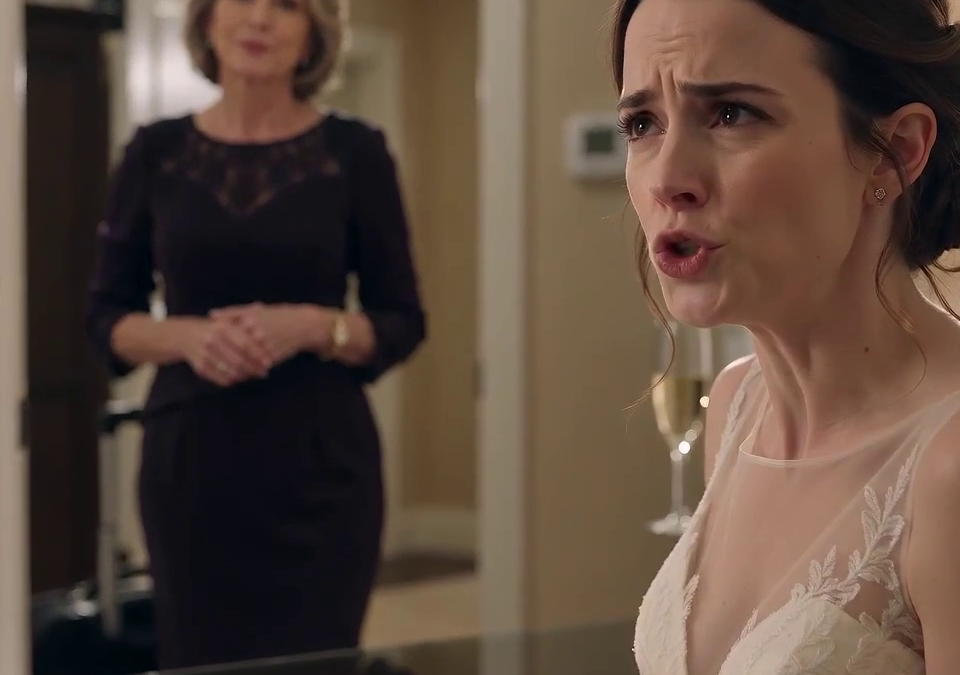
Rachel arrived at my house at 1:17 on the morning after her wedding wearing a dress I had watched three women spend twenty minutes steaming seven hours earlier.
The bottom six inches were gray with rainwater.
One side of the hem had torn loose.
Her veil was gone.
A single pearl pin remained crookedly buried in her dark hair.
For one terrible second, I thought there had been an accident.
I opened the door before she knocked twice.
“Rachel?”
She looked at me.
“Mom, I left.”
I pulled her inside.
My daughter was twenty-nine years old.
She had always been organized to the point of irritation.
At six, she packed her own backpack the night before kindergarten.
At seventeen, she created a spreadsheet for college applications.
At twenty-six, she bought a two-bedroom condo in Dallas after saving for the down payment for six years.
Rachel did not arrive at anyone’s house after midnight without a plan.
Especially not in her wedding dress.
I locked the door behind her.
“Are you hurt?”
“No.”
“What happened?”
She looked toward the kitchen.
“Can I change first?”
I gave her an old gray sweatshirt and a pair of sweatpants.
When she came back downstairs, she had folded the wedding dress over one arm.
She looked at it for a moment, then laid it across the back of a dining chair.
That image stayed with me.
Nine hours earlier, I had helped zip that dress while Rachel stood in front of a mirror at the Ashton House Hotel outside Fort Worth.
Now it hung over a chair beside a stack of grocery coupons.
I made tea neither of us drank.
Then she told me what happened.
The wedding itself had been beautiful.
Owen Mercer had cried when Rachel walked down the aisle.
I had believed the tears.
I still believe they were real.
That was part of what made everything afterward harder.
Owen was thirty-one.
He worked in commercial insurance.
Rachel was a user-experience designer for a financial technology company.
They had been together for two and a half years.
Engaged for ten months.
He was funny, attentive, easy with people.
He remembered birthdays.
He called me on Sundays.
When my kitchen sink leaked the previous spring, he showed up with tools before I had even found a plumber.
Nothing about him looked like danger.
That is because most serious relationship problems do not arrive wearing labels.
Sometimes they arrive as assumptions.
The first difficult assumption appeared during the engagement.
Rachel owned her condo before meeting Owen.
It was not glamorous.
Two bedrooms.
Two bathrooms.
Third floor.
A small balcony overlooking the parking garage.
But it was hers.
She had bought it at twenty-six with money she saved herself.
Owen moved in six weeks before the wedding because the lease on his apartment ended.
Rachel did not charge him rent.
They agreed he would contribute toward groceries and utilities until they decided what their long-term housing plan would be.
I thought that was generous.
Owen’s mother, Patricia, apparently thought it was embarrassing.
Patricia Mercer was sixty, immaculately dressed, socially capable, and deeply interested in how things looked from the outside.
She and her husband, Charles, owned three upscale catering venues in the Fort Worth area.
They had paid a substantial portion of the wedding.
Not because Rachel and Owen demanded it.
Because Patricia wanted a larger event than the couple initially planned.
Rachel wanted sixty guests.
Patricia wanted one hundred and forty.
Rachel wanted a restaurant reception.
Patricia wanted Ashton House.
Each increase came with the same sentence.
“Let us do this for you.”
By the wedding weekend, “let us” had cost the Mercers almost thirty-eight thousand dollars.
I offered to split more of it.
Patricia refused.
“You’re doing enough, Elaine. This is our joy.”
I thanked her.
Rachel thanked her.
Owen thanked her.
Nobody understood there was an invoice attached.
After the reception ended shortly after eleven, Rachel and Owen went upstairs to the bridal suite.
Their flight to Santa Fe left the next morning.
Rachel told me later that she had taken off her shoes and was trying to remove pins from her hair when someone knocked.
Owen opened the door.
Patricia walked in.
Rachel thought she had forgotten something.
Instead, Patricia carried a cream-colored folder.
“Five minutes,” she said. “Then I’ll leave you two alone.”
She placed the folder on the small table near the window.
Rachel saw official-looking pages.
“What is that?”
Patricia smiled.
“Just something we should get settled now that you’re family.”
Rachel looked at Owen.
He avoided her eyes.
That was the first moment she felt something was wrong.
Patricia opened the folder.
The first page was a prefilled quitclaim deed.
Rachel’s Dallas condo address appeared at the top.
Her legal name appeared beneath it.
So did Owen’s.
Rachel read it twice.
“What is this?”
Patricia’s smile disappeared.
“Owen explained.”
“No, he didn’t.”
Owen walked over.
“Rachel, don’t start.”
She looked at him.
“Start what?”
“Mom isn’t asking you to give anything away.”
Patricia nodded.
“You’re married now. You’re simply putting both spouses where both spouses belong.”
Rachel looked from one to the other.
“My condo?”
“Your home,” Patricia corrected. “Both of your home.”
“The mortgage is in my name.”
“That can be dealt with later.”
Rachel looked at Owen again.
“Did you know she was bringing this?”
He rubbed his forehead.
That was answer enough.
“Owen.”
“Yes.”
The room changed.
Not dramatically.
There was no screaming.
No broken glass.
Just three people standing beside a hotel table while one marriage became something different from what one of them thought she had entered.
Rachel asked, “When were you planning to tell me?”
Owen said, “We’ve talked about combining our lives.”
“That is not the same as putting you on my deed.”
“You were going to eventually.”
“No, I wasn’t.”
Patricia interrupted.
“Owen told us this was already decided.”
Rachel went quiet.
She later told me that was the sentence she heard most clearly.
Not because Patricia said it loudly.
Because Owen did not deny it.
Rachel looked at him.
“You told them I agreed?”
He said, “I told them we were building together.”
“That is not what she said.”
Patricia crossed her arms.
“Rachel, married couples do not keep score over who owned what first.”
“I’m not keeping score.”
“Then sign it.”
The simplicity of that answer stunned her.
Rachel pulled the deed closer and read the first page again.
The signature area had already been marked.
There was no notary present.
Patricia said her cousin could handle that after Christmas.
They only wanted Rachel’s signature tonight so “there wouldn’t be any confusion later.”
Rachel pushed the folder away.
“No.”
Patricia stared at her.
Owen said, “Can we not make this a huge thing?”
Rachel turned to him.
“I said no.”
“I heard you.”
“Then why are we still talking?”
He lowered his voice.
“Because my parents paid for this entire weekend.”
Rachel froze.
There it was.
Not a direct transaction.
Something worse.
An obligation nobody had told her she was accepting.
“Your parents offered to pay.”
“I know.”
“So?”
“So Mom feels like we’re beginning our marriage with you holding all the security.”
Rachel stared at him.
“What security do you think I’m holding over you?”
“You own the place.”
“I owned it before I met you.”
“That’s exactly the point.”
Patricia stepped closer to the table.
“Owen has nothing protected if something goes wrong.”
Rachel almost laughed.
“Then maybe Owen should buy something.”
Patricia’s face tightened.
“That attitude is exactly what I was worried about.”
“What attitude?”
“Yours versus his.”
Rachel looked at Owen.
“Is that how you see this?”
He said nothing.
She waited.
Finally he said, “If you trust me enough to marry me, I don’t understand why this is the hill you’re choosing.”
Rachel told me that sentence stayed in the room for several seconds.
Then she said, “Because you waited until after I married you to tell me you had already promised my property to somebody else.”
Owen shook his head.
“I didn’t promise anything.”
Patricia looked at him.
“Yes, you did.”
Rachel turned to her.
Patricia realized too late what she had said.
“Owen told us the condo would go into both names after the wedding,” she said.
Owen closed his eyes.
Rachel looked at her new husband.
“Why?”
He did not answer.
“Why did you tell them that?”
His face reddened.
“Because my mother would not stop talking about me moving into your place with nothing.”
Rachel stared at him.
“So you lied.”
“I assumed we would do it eventually.”
“You assumed I would give you half my condo?”
“I assumed we were building a marriage.”
Rachel picked up her shoes.
Owen stepped toward her.
“Where are you going?”
“Home.”
“This is home.”
“No.”
She looked at the room.
“This is a hotel.”
Then she looked at him.
“And right now I don’t know what you are.”
She picked up her overnight bag.
Patricia said, “If you walk out tonight, everyone downstairs is going to know something happened.”
Rachel turned toward her.
“That’s what you’re worried about?”
“I’m worried about my son.”
“So am I.”
The hem of Rachel’s dress caught in the hotel-room door as she left.
She pulled it free.
It tore.
She kept walking.
Nobody followed her to the elevator.
By the time she finished telling me, it was almost two in the morning.
I had gone through several emotions.
Fear.
Anger.
Disbelief.
A strong desire to drive to Ashton House and tell Patricia Mercer exactly what I thought of her paperwork.
I did none of those things.
I asked Rachel, “What do you need?”
She stared into the untouched tea.
“I don’t know.”
Then she whispered, “Dad was right.”
That hurt.
Not because Mark had been right.
Because Mark had been wrong in the way he tried to be right.
My ex-husband had disliked the way Owen’s family talked about Rachel’s condo almost from the beginning.
At a barbecue seven months earlier, Patricia joked that Owen had “done well for himself” because Rachel already owned property.
Mark heard it.
On the drive home, he told Rachel he did not trust them.
She defended Owen.
Mark pushed too hard.
Finally he said, “I hope he’s marrying you and not your deed.”
Rachel stopped speaking to him.
Mark apologized by text twice.
She never answered.
He attended the wedding because I asked her to invite him.
He sat near the back.
He congratulated her after the ceremony.
He left before dinner.
Now Rachel was sitting in my kitchen saying he had been right.
I reached for my phone.
She looked up.
“What are you doing?”
“Calling your father.”
“No.”
“Why?”
“I can’t hear ‘I told you so’ tonight.”
“You won’t.”
“You don’t know that.”
“Yes, I do.”
I called.
Mark answered immediately.
“Elaine?”
“Rachel is here.”
A pause.
“What happened?”
I told him only the necessary part.
“She left the hotel. She needs us.”
“I’m coming.”
He lived thirty-eight minutes away.
He arrived in thirty-six.
Mark walked through my door wearing jeans, an old brown work jacket, and two different socks.
Rachel stood when she saw him.
He stopped.
For a moment neither moved.
Then Mark said, “Before anything else, I owe you an apology.”
Rachel blinked.
“For what?”
“For making it hard for you to call me.”
Her mouth trembled.
Mark continued.
“I had concerns. I handled them like an angry father instead of talking to you like an adult.”
Rachel looked down.
“I should’ve listened.”
“Maybe.”
Mark shook his head.
“But that does not make tonight your fault.”
That was when she crossed the room.
He hugged her.
No speeches.
No threats.
No plan.
Just a father holding his daughter while her wedding dress hung over a chair ten feet away.
At seven twenty the next morning, Owen texted.
I’m coming over. We need to fix this before everyone hears some distorted version.
Then:
Mom is coming too.
Rachel read the messages.
Mark looked at me.
I asked, “Do you want us to answer the door?”
“No.”
Rachel stood.
“This time I will.”
They arrived twenty minutes later.
Patricia came carrying the same cream folder.
That told me everything I needed to know.
Owen looked exhausted.
Patricia looked prepared.
Rachel opened the door but did not invite them inside.
“We need to talk,” Owen said.
“Yes.”
Patricia lifted the folder.
“We all said things emotionally last night.”
Rachel looked at it.
“I said one thing.”
Patricia frowned.
“What?”
“No.”
Owen closed his eyes.
“Rachel, please.”
She looked at him.
“Are you here to apologize or to get a signature?”
“I’m here to save our marriage.”
“Then tell your mother to put the folder in her car.”
Patricia’s face hardened.
“This concerns Owen.”
“No. It concerns my condo.”
“It concerns his future.”
Rachel looked at Owen.
“Do you believe that?”
He hesitated.
That hesitation mattered.
Finally he said, “I think married people should build something together.”
“So do I.”
He looked relieved.
Rachel continued.
“But you don’t build something together by promising somebody else half of what one person already built.”
Patricia interrupted.
“Owen never promised half.”
Rachel looked at her.
“You said he told you the condo would be in both names.”
Patricia said nothing.
Rachel turned back to Owen.
“Tell me exactly what you told them.”
He looked toward the driveway.
“Owen.”
He finally spoke.
“I said we planned to add me after the wedding.”
“Did we?”
“No.”
“Did you know I had never agreed?”
“Yes.”
“Why did you say it?”
He rubbed his hands over his face.
“My mother kept making comments.”
“What comments?”
“That I was thirty-one and moving into a home my wife owned.”
Rachel waited.
“That I wasn’t bringing enough into the marriage.”
“And instead of telling her to stop?”
“I told her we were combining things.”
“No. You told her I was giving you something.”
Owen looked at her.
“I thought once we were married, we could talk about it.”
“You mean once leaving would be harder.”
His face changed.
“That’s not fair.”
“Then why didn’t you ask before yesterday?”
He had no answer.
Mark stood several feet behind Rachel.
He did not speak.
I was proud of him for that.
This was Rachel’s conversation.
Patricia eventually said, “We spent thirty-eight thousand dollars giving you the wedding you wanted.”
Rachel turned toward her.
“I wanted sixty people at a restaurant.”
Patricia’s mouth tightened.
“That’s beside the point.”
“No. It’s the point.”
Rachel gestured toward the folder.
“You offered a bigger wedding. I never agreed to trade property for it.”
“Nobody said trade.”
“Then stop mentioning what you spent.”
Patricia looked at me.
“Elaine, surely you can see how unreasonable this is.”
I said, “A wedding bill does not buy a deed.”
That was my only contribution.
Patricia stared at me.
Then she turned to Owen.
“Are you going to let them talk to us like this?”
Us.
I watched him hear it.
Maybe for the first time.
He looked at Rachel.
Then at his mother.
“Mom, go home.”
Patricia froze.
“What?”
“Please.”
“I’m trying to protect you.”
“I know.”
He looked exhausted.
“But go home.”
She left with the folder.
That did not repair anything.
Rachel did not fall into his arms.
Owen did not suddenly become the husband she thought she married.
They stood on my front porch for almost an hour.
Rachel asked him one question after another.
When had he first told his parents she would add him?
Three months before the wedding.
Why?
His mother had been making jokes about him “living on Rachel’s equity.”
Did he believe he deserved part of the condo?
He said no.
Then yes.
Then admitted he did not know.
Had he expected Rachel to sign the night before?
He admitted he hoped the pressure of the moment would make the conversation easier.
Rachel went completely still.
“Easier for who?”
Owen looked at the floor.
“For me.”
That was the sentence that mattered most.
Not Patricia’s folder.
Not the money spent on the wedding.
Not even the lie.
Owen knew Rachel might say no.
So he deliberately chose the moment when saying no would cost her the most emotionally.
Wedding night.
Parents nearby.
Guests still downstairs.
Honeymoon the next morning.
Marriage already legal.
He had not simply avoided a difficult conversation.
He had arranged the timing in his favor.
Rachel did not end the marriage that morning.
That surprised me.
She told Owen she needed thirty days.
He moved back into his old apartment building, where a friend had a spare room.
Rachel returned to her condo after two nights at my house.
Owen returned his key.
They canceled the honeymoon.
They attended counseling.
Mark and I stayed out of it unless Rachel asked.
That was harder than either of us expected.
At the first counseling session, Owen apologized.
At the second, the counselor asked him a question Rachel had already asked.
“If you believed adding your name was fair, why did you wait until after the wedding?”
Owen stared at the floor.
Finally he said, “Because I thought she’d say no.”
Rachel told me afterward that her anger disappeared when he said it.
Not forgiveness.
Clarity.
The argument was no longer about a condo.
It was about consent.
Owen had known her answer might be no.
Instead of respecting that possibility, he had tried to create conditions where no would be harder to say.
After the session, he asked Rachel if there was anything he could do.
She said there was.
“Learn why you thought getting the answer you wanted mattered more than asking me honestly.”
For another month, they lived separately.
Owen began individual counseling.
Patricia called Rachel twice.
The first call was angry.
Rachel ended it.
The second was an apology that contained so many explanations Rachel ended that one too.
Eventually Patricia stopped calling.
Owen changed more than I expected.
But not enough to save the marriage.
That distinction mattered.
Sometimes a person can sincerely begin confronting something unhealthy in themselves after the damage has already become too large.
Three months after the wedding, Rachel filed for divorce.
No dramatic courtroom.
No public humiliation.
No one lost a company.
No one lost a house.
Owen signed the papers.
When he came to collect the last box he had left in Rachel’s storage closet, he stood near the front door for a long time.
“I did love you,” he said.
Rachel believed him.
“I know.”
“I still do.”
“I know that too.”
He looked around the condo.
“I ruined this over a piece of property.”
Rachel shook her head.
“No.”
He looked at her.
“You ruined it because you knew I might say no and decided to make no harder.”
He nodded.
There was nothing left to argue.
After he left, Rachel called me.
She cried.
Then she went to work the next morning.
That was how life continued.
Not triumphantly.
Practically.
Mark and Rachel repaired their relationship more slowly.
He stopped offering opinions unless she asked.
She started answering his calls.
One Saturday in May, he came over to help her replace a closet door that had been sticking for months.
I brought pizza.
The three of us sat on the condo floor because Rachel had sold the dining table she and Owen had picked out together.
Mark noticed the empty key hook by the front door.
“You changing the lock?”
“Already did.”
He nodded.
No commentary.
Rachel reached into a drawer and tossed him a spare key.
He caught it.
“For emergencies,” she said.
Mark smiled.
“Your place. Your rules.”
Rachel looked at him.
Then at me.
The condo was still the same size.
Same mortgage.
Same balcony over the parking garage.
Nothing about it had become more valuable.
But the meaning had changed.
For months, other people had treated that home like evidence of what Rachel owed.
Owen’s insecurity.
Patricia’s wedding money.
Mark’s suspicions.
My fear for my daughter.
Rachel finally stopped letting it carry everybody else’s meaning.
It was simply her home.
A place she had worked for.
A place where she could invite people in.
A place where she could ask them to leave.
A place where no signature belonged to anyone until she chose to give it.
Rachel opened the pizza box.
Mark reached for the first slice.
She slapped his hand away.
“Guests wait.”
He stared at her.
“You gave me a key.”
“For emergencies.”
“This feels urgent.”
She laughed.
So did I.
Then she handed him a plate.
And for the first time since the wedding, the three of us spent an evening together without discussing Owen, Patricia, the divorce, or the deed.
The key remained on Mark’s ring.
The condo remained Rachel’s.
And nobody at the table needed those two facts to mean anything more than exactly what they meant.